
Rushing through dinner prep, I stumbled upon a dish that changed my weeknight meals forever: Gyeranjjim, or Korean steamed eggs. This simple yet delightful egg custard is as comforting as a warm hug, and the best part? It comes together in just 20 minutes! Not only is this silky side dish gluten-free and high in protein, but it also allows for endless customization—swap in your favorite vegetables or broths for a twist. The rich umami flavors and creamy texture will make your taste buds dance, and I promise, it’s a hit with everyone at the table. Curious about how this delicious little gem can elevate your next meal? Let’s dive into making this easy Korean Steamed Eggs custard together!
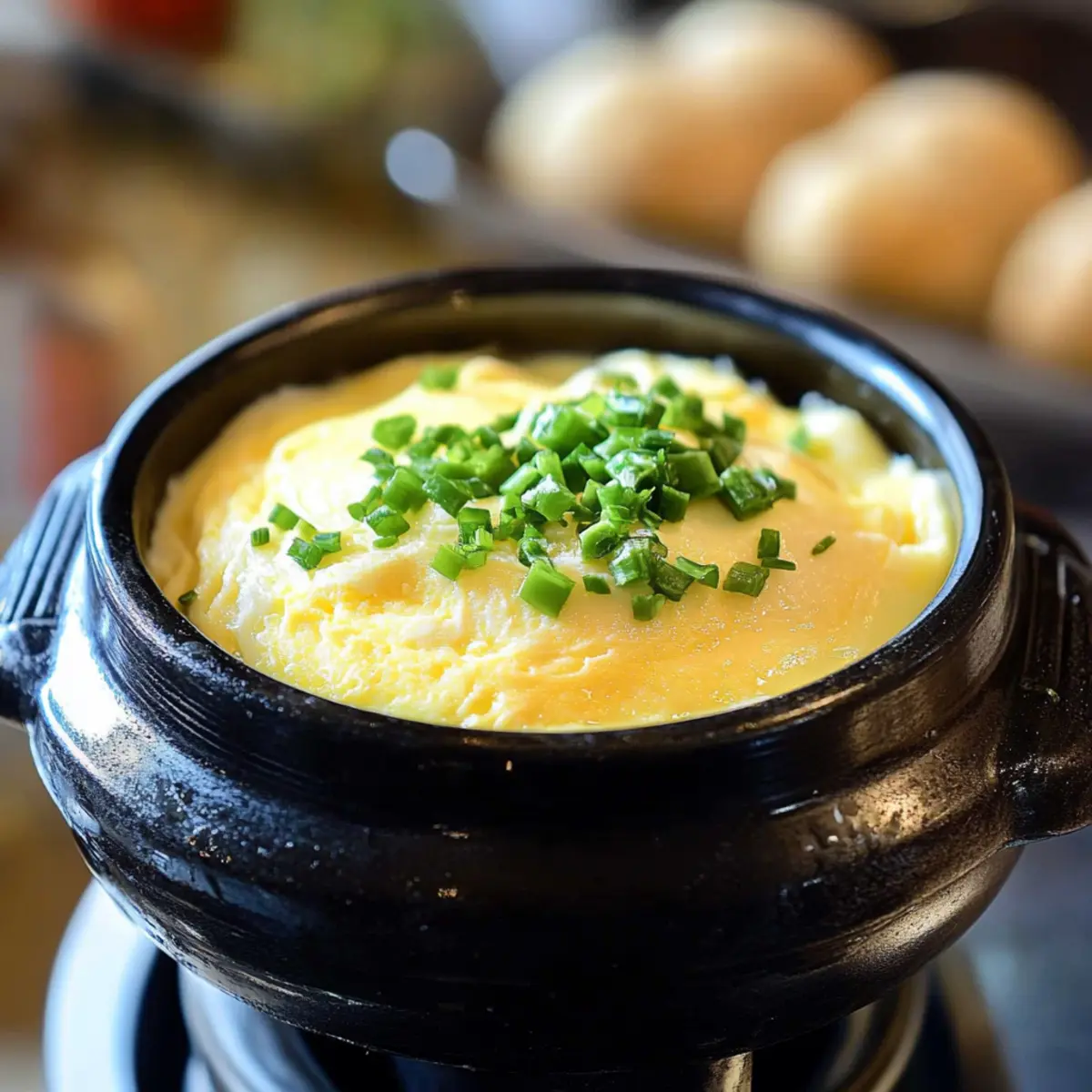
Why are Korean Steamed Eggs a must-try?
Simplicity: Gyeranjjim is effortless to whip up, making it perfect for busy weeknights. Versatile: Customize with your favorite veggies and broths, ensuring a unique dish every time. Crowd-Pleaser: This dish appeals to all palates, making it a delightful side for family dinners. Nutrient-Rich: As a high-protein, gluten-free option, it fits effortlessly into healthy meal plans. For more easy and delicious ideas, check out my Eggs Benedict Casserole for another fantastic breakfast or brunch dish! Quick Cooking: Ready in just 20 minutes, you’ll have a hearty dish on the table in no time.
Korean Steamed Eggs Ingredients
• The secrets to Gyeranjjim’s creamy delight await!
For the Custard
- Eggs – The heart of this dish, providing richness and essential protein. Use large eggs for the best texture.
- Anchovy Broth – Enhances the dish with umami depth; a must for authenticity. Feel free to substitute with vegetable broth for a lighter flavor.
- Salted Shrimp (Saeujeot) – Adds a unique savory essence; essential in Korean cuisine. Options include fish sauce or regular salt if you don’t have this on hand.
For the Veggies
- Chopped Scallion – Brightness and mild onion flavor transform the dish. You can also include other vegetables like zucchini or bell peppers for added nutrition.
For the Finish
- Sesame Oil – A fragrant addition that elevates flavor; use sparingly. If unavailable, you can skip it without losing too much essence.
- Sesame Seeds – Perfect for a toasted nutty crunch; a delightful garnish. Optional but recommend it for that added texture.
Now that you have all the essential ingredients for Korean Steamed Eggs, you’re just moments away from the creamy comfort of Gyeranjjim!
Step‑by‑Step Instructions for Korean Steamed Eggs
Step 1: Prepare the Egg Mixture
In a mixing bowl, beat the large eggs until smooth and pale, approximately 2-3 minutes. For a silken texture, strain the egg mixture through a fine sieve into another bowl, eliminating any clumps. Next, incorporate your choice of anchovy broth and finely chopped salted shrimp, stirring gently until well combined.
Step 2: Choose Your Cooking Method
Select your preferred cooking method—earthenware pot, steaming, or microwave. For the earthenware method, lightly oil a pot and heat it over medium flame. For steaming, prepare a pot with boiling water. Alternatively, get your microwave ready.
Step 3: Cook in an Earthenware Pot
Pour the egg mixture into the heated earthenware pot. Cover with a lid and reduce the flame to low once the edges start to set, about 3-4 minutes. Gently stir the mixture every couple of minutes for about 5-7 minutes until it’s fluffy and fully set, with a smooth, custard-like finish.
Step 4: Steam the Eggs
For the steaming method, pour the egg mixture into a ramekin and place it in the pot with boiling water, ensuring the water reaches halfway up the sides of the ramekin. Steam for 12 minutes; after the first 8 minutes, carefully stir in the chopped scallion, then cover and steam for 4 more minutes until it’s fully set and has a slight jiggle.
Step 5: Microwave the Mixture
If you opt for the microwave, pour the egg mixture into a microwave-safe bowl. Heat in 2-minute intervals, stirring gently each time, until the eggs are just set, which should take about 6-8 minutes total. Be cautious not to overcook, as it can lead to rubbery eggs.
Step 6: Finishing Touches
Once cooked, remove your Korean steamed eggs from the heat. If desired, drizzle a small amount of sesame oil over the top, sprinkle sesame seeds for a crunch, and garnish with additional chopped scallions for a burst of flavor. Serve warm with rice for a comforting meal.
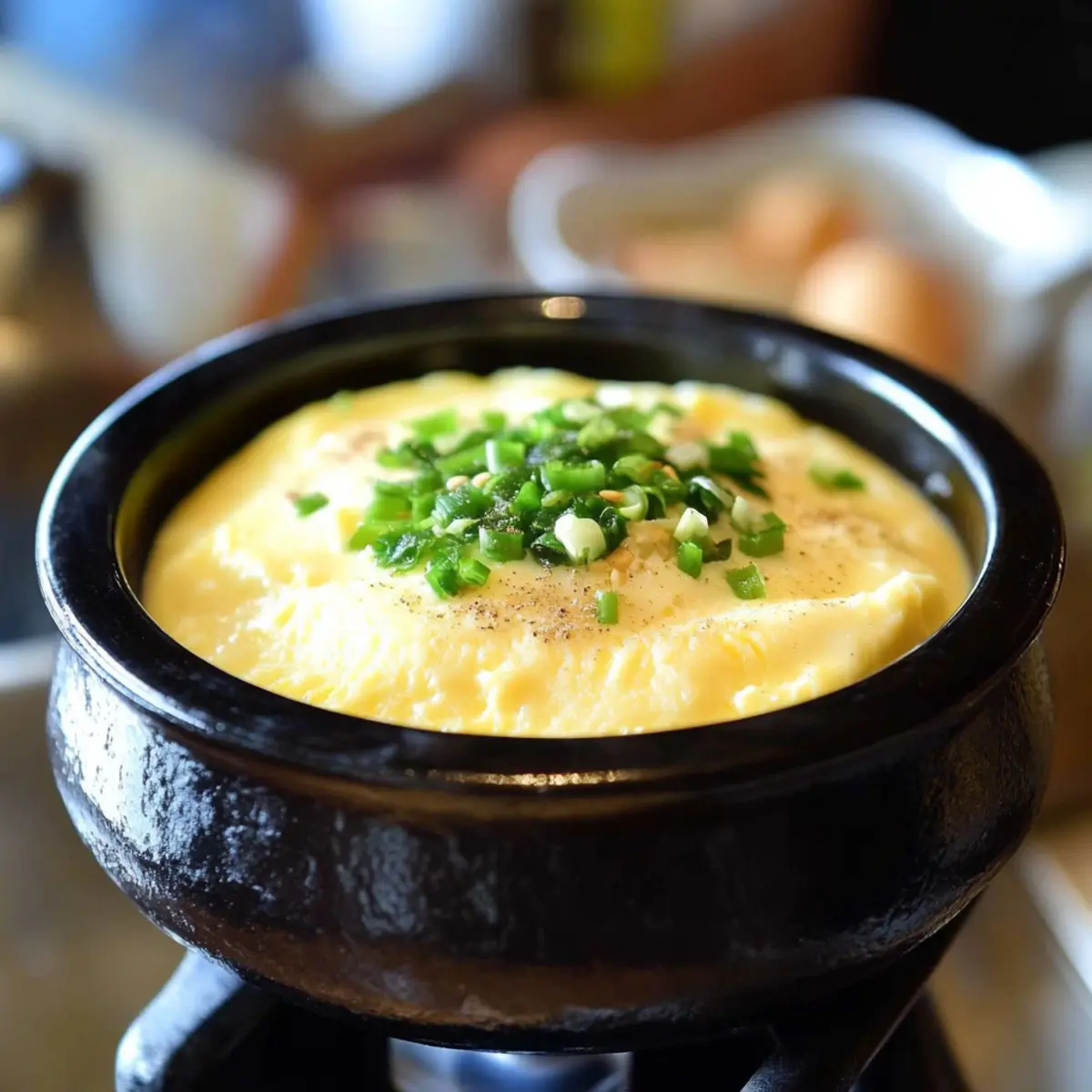
What to Serve with Korean Steamed Eggs
A warm bowl of Gyeranjjim is just the beginning—let these delightful side dishes make your meal extraordinary!
-
Fluffy Steamed Rice: The perfect base for your Gyeranjjim, absorbing flavors and enhancing each bite’s comfort. It balances the creaminess beautifully.
-
Spicy Kimchi: A traditional Korean side, kimchi’s vibrant flavors and crunch add an exciting contrast, making your meal vivid and memorable. The heat from the kimchi pairs wonderfully with the silky eggs.
-
Sesame Spinach Salad: Light and refreshing, this salad brings a nutty taste and texture that complements the creamy eggs while adding nutrition. Toss in a hint of garlic for an extra kick!
-
Pickled Radishes: These crunchy bites bring a delightful tang that cuts through the richness of the eggs, refreshing your palate for each savory spoonful. They’re an essential element in Korean cuisine.
-
Korean BBQ Beef or Chicken: Juicy, marinated meat dishes offer a heartiness that creates a well-rounded meal. The grilled flavors beautifully contrast with the delicate custard-like texture of the steamed eggs.
-
Miso Soup: Its warmth and umami flavor create a comforting bowl that pairs harmoniously with the Gyeranjjim. Sip away on this hearty soup throughout your meal for added satisfaction.
-
Roasted Vegetables: Roasting enhances sweetness while adding crispiness to veggies like carrots, bell peppers, or zucchini. They add color and nutrients while beautifully contrasting the smooth texture of the Gyeranjjim.
-
Chilled Soju: If you’re in the mood for a beverage, this traditional Korean alcohol offers a refreshing finish to your meal, brightening your dining experience alongside the rich flavors of your dishes.
Infuse your dining table with warmth and comfort by pairing these delectable options with your Korean steamed eggs. Enjoy!
Expert Tips for Korean Steamed Eggs
-
Egg Quality Matters: Use the freshest large eggs for the best creamy texture and flavor in your Gyeranjjim. Fresh eggs elevate the dish!
-
Mind the Broth: When choosing your broth, remember that anchovy broth is traditional for depth, but vegetable broth works beautifully too. Adjust salt accordingly.
-
Watch Your Cooking Time: Avoid overcooking—monitor closely, especially when using the steaming method. Eggs should be softly set, not rubbery.
-
Sieve for Smoothness: Sifting the egg mixture removes lumps and ensures a silky custard-like texture. It truly makes a difference in the final dish!
-
Experiment with Add-Ins: Feel free to get creative! Add finely chopped vegetables or different seafood to personalize your Gyeranjjim while enhancing nutrition and flavor.
-
Storage Reminder: This dish is best enjoyed fresh, but if leftovers remain, store them in an airtight container in the fridge. Gently reheat before serving for optimal texture.
Korean Steamed Eggs: Customize Your Delight
Feel free to get creative with Gyeranjjim and make it your own with these enticing variations!
- Vegetarian Delight: Substitute anchovy broth with vegetable broth for a hearty, plant-based option. You won’t lose the umami flavor!
- Nutritious Veggie Boost: Add chopped zucchini, carrots, or bell peppers to your custard mix for extra nutrition and visual appeal.
- Creamy Coconut Twist: For a rich flavor, mix in a splash of coconut milk instead of broth, bringing a tropical flair to this dish.
- Spicy Kick: Incorporate Korean chili flakes or a drizzle of spicy sesame oil for those who crave a little heat. Feel free to adjust the amount to your spice level!
- Cheesy Variation: Stir in some shredded cheese of your choice before cooking for a creamy, cheesy treat that everyone will adore!
- Savory Mushroom Infusion: Add sautéed mushrooms to deepen the flavor profile and introduce a lovely texture contrast.
- Egg Whites Only: Opt for a lighter version by using only egg whites—perfect for a low-calorie, high-protein dish that still has plenty of flavor.
- Asian Fusion: Experiment by adding ingredients like cooked shrimp or crab for a seafood twist that complements the original flavors beautifully.
Once you find your favorite twist, you’ll never look at a simple egg dish the same way! For another delightful recipe, don’t miss out on my Eggs Benedict Casserole, perfect for brunch or a hearty breakfast!
Make Ahead Options
Gyeranjjim is perfect for meal prep, allowing you to enjoy its delightful flavors on busy weeknights! You can prepare the egg mixture with your chosen broth and salted shrimp up to 24 hours in advance; just store it in the refrigerator in an airtight container to keep it fresh. For best results, give it a gentle stir before cooking to ensure a creamy texture. When you’re ready to serve, simply choose your cooking method—whether steaming, microwave, or earthenware—and finish cooking as instructed. This way, you’ll have a delicious, comforting side dish ready with minimal effort, ensuring that your Gyeranjjim remains just as delectable as when freshly made!
Storage Tips for Korean Steamed Eggs
Fridge: Store any leftovers in an airtight container in the refrigerator for up to 2 days to maintain freshness.
Reheating: Gently reheat in the microwave or on the stovetop until warmed through. Avoid overheating to prevent rubbery texture.
Freezer: While not recommended for freezing due to texture changes, if you must, freeze in an airtight container for up to 1 month. Thaw in the fridge before reheating gently.
Serving Fresh: Enjoy your Gyeranjjim fresh for the best experience, as the creamy custard texture is most delightful when just made.
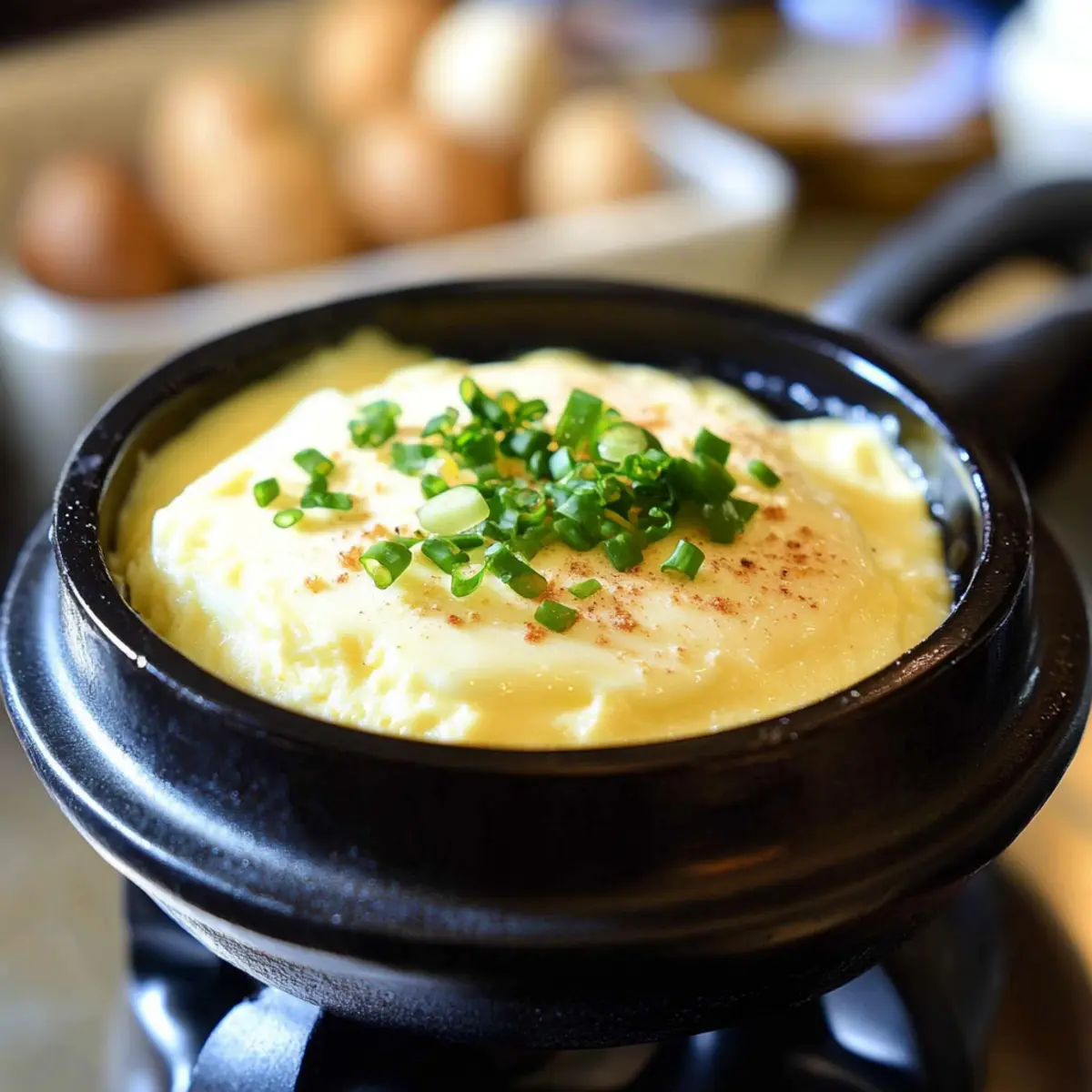
Korean Steamed Eggs Recipe FAQs
What kind of eggs should I use for Gyeranjjim?
Absolutely! It’s best to use large, fresh eggs to achieve that creamy texture. Fresh eggs will provide a richer taste and enhance the overall quality of your Gyeranjjim.
How can I tell when my Korean steamed eggs are done cooking?
Great question! Your Gyeranjjim should be lightly set and jiggle ever so slightly when shaken. If it looks fluffy and has a smooth, custard-like finish, you’re in the right zone! Overcooking can lead to a rubbery texture, so keep an eye on it during the last few minutes of cooking.
What’s the best way to store leftovers of Gyeranjjim?
I often recommend storing any leftovers in an airtight container in the refrigerator. They should stay fresh for up to 2 days. When you’re ready to enjoy it again, just gently reheat it in the microwave or on the stovetop—be careful not to overheat to maintain the silky texture.
Can I freeze Korean steamed eggs?
While it’s generally not recommended due to potential texture changes, you can freeze Gyeranjjim if necessary. Store it in an airtight container for up to a month. To reheat, thaw it in the fridge overnight and warm it gently in the microwave or on the stove, making sure to stir it for even heating.
What broths can I use instead of anchovy broth?
Very! If you’re looking for a vegetarian option or simply prefer a different flavor, vegetable broth works beautifully as a substitute. You can also use water with an extra pinch of salt or dashi broth for additional umami. Just remember to adjust seasoning based on your broth’s saltiness.
Can my pet eat Gyeranjjim?
It’s best to avoid sharing Gyeranjjim with pets. While cooked eggs are generally safe for dogs and cats, the additional ingredients like salted shrimp and sesame oil can be harmful or problematic for their digestion. Always best to stick with treats specifically made for them!
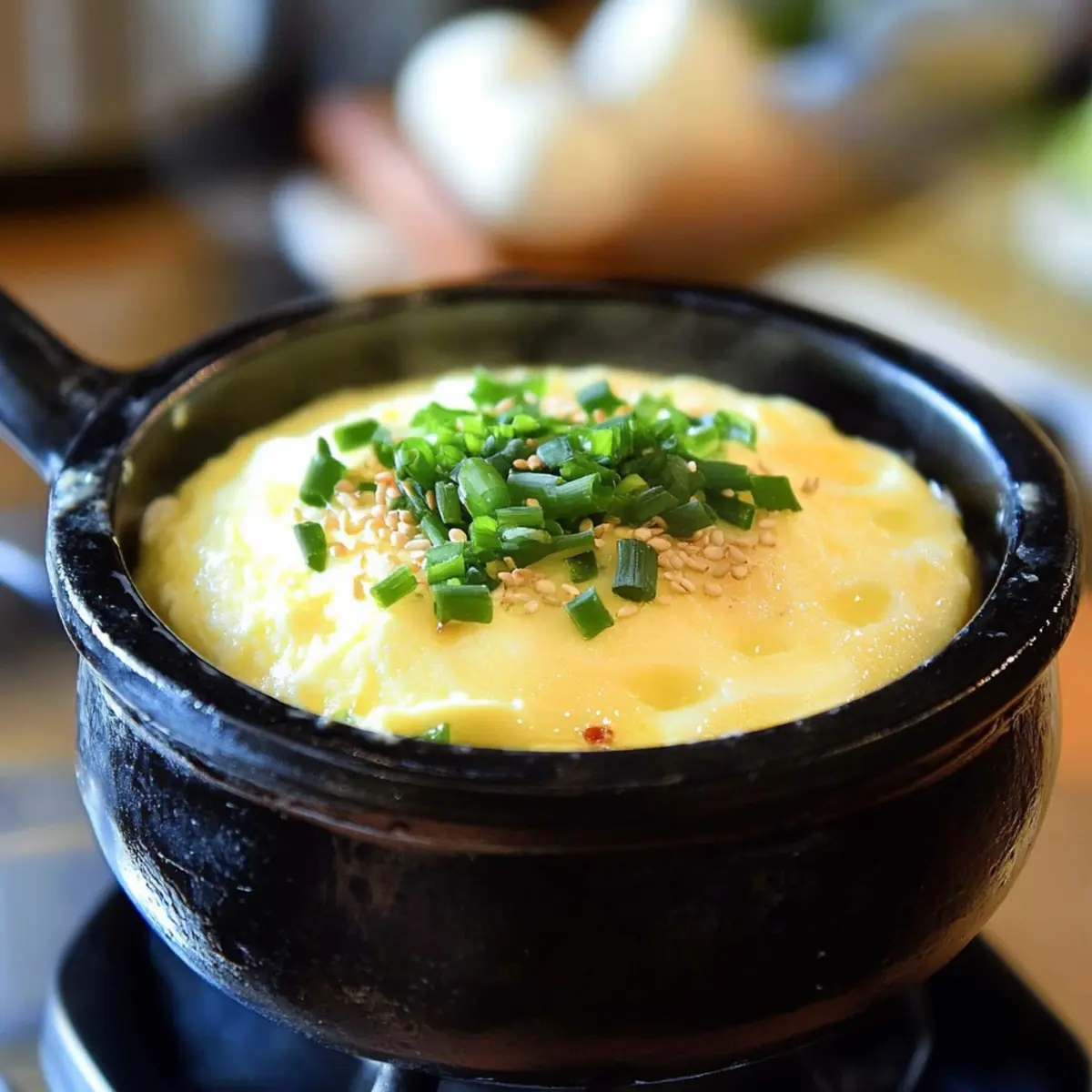
Korean Steamed Eggs: Silky Custard for Your Soul
Ingredients
Equipment
Method
- In a mixing bowl, beat the large eggs until smooth and pale, approximately 2-3 minutes. Strain the egg mixture through a fine sieve into another bowl.
- Incorporate your choice of anchovy broth and finely chopped salted shrimp, stirring gently until well combined.
- Select your preferred cooking method—earthenware pot, steaming, or microwave.
- For the earthenware method, lightly oil a pot and heat it over medium flame. For steaming, prepare a pot with boiling water. Alternatively, get your microwave ready.
- Pour the egg mixture into the heated earthenware pot. Cover with a lid and reduce the flame to low once the edges start to set, about 3-4 minutes. Stir gently every couple of minutes for about 5-7 minutes until it’s fluffy and fully set.
- For the steaming method, pour the egg mixture into a ramekin and place it in the pot with boiling water. Steam for 12 minutes; after 8 minutes, carefully stir in the chopped scallion.
- If you opt for the microwave, pour the egg mixture into a microwave-safe bowl. Heat in 2-minute intervals, stirring gently each time, until the eggs are just set, which should take about 6-8 minutes total.
- Once cooked, remove your Korean steamed eggs from the heat. Drizzle sesame oil, sprinkle sesame seeds, and garnish with additional scallions. Serve warm with rice.
Leave a Reply