
The aroma of sizzling garlic and ginger instantly transports me to the alleys of Sichuan, where the enticing spice of Mapo Eggplant fills the air. This delightful dish, known for its savory punch and comforting warmth, is sure to awaken your taste buds in just 35 minutes—perfect for any busy weeknight! My version of Spicy Vegan Mapo Eggplant with Doubanjiang is not only a crowd-pleaser but also vegan-adaptable, meaning everyone can enjoy its rich, harmonious flavors without missing the hearty meat typically found in traditional recipes. Imagine tender slices of eggplant drenched in a glossy, spicy sauce that beckons you to have just one more bite! Are you ready to spice up your dinner routine and impress your loved ones? Let’s dive in!
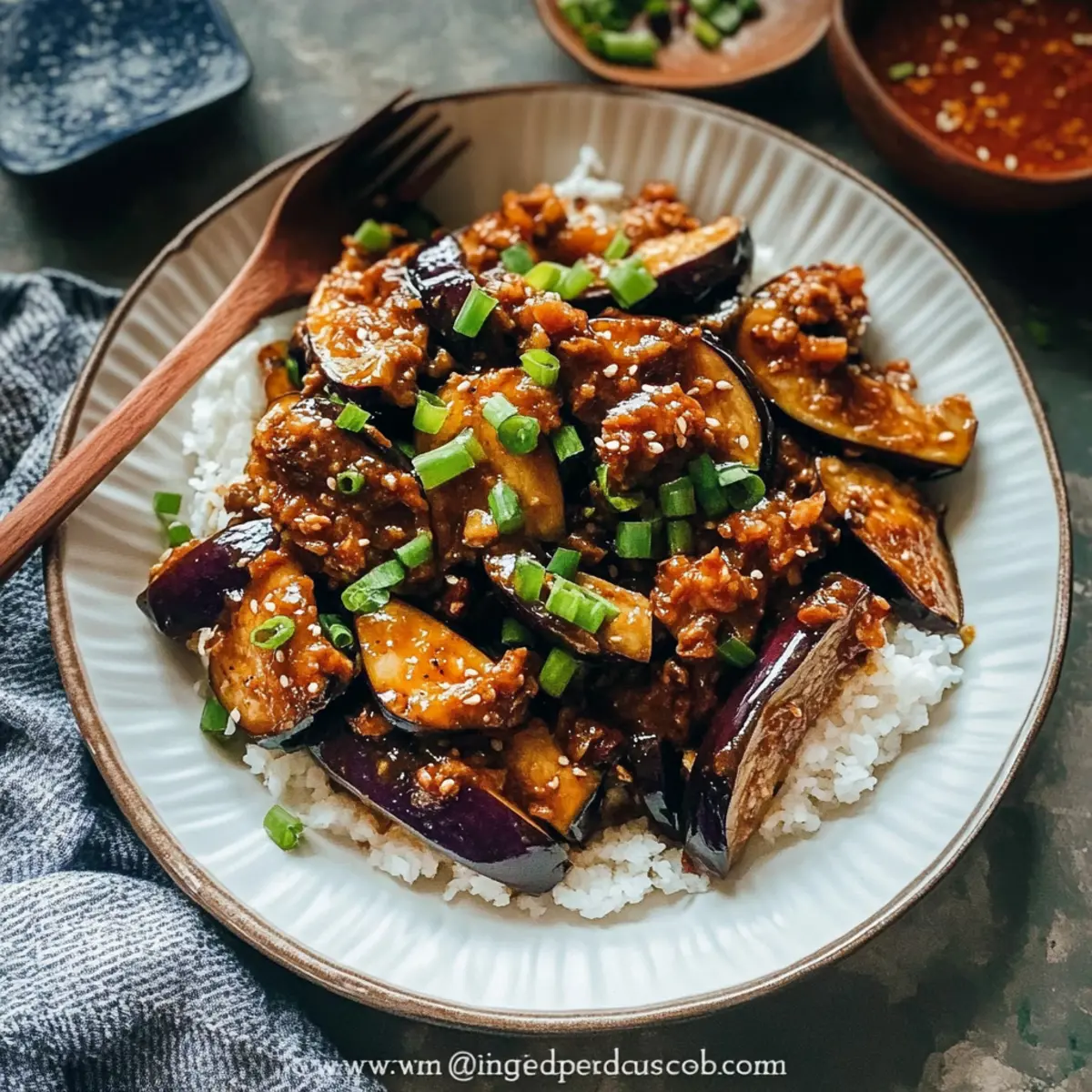
Why is Mapo Eggplant a Must-Try?
Comforting, Savory Delight: This Spicy Vegan Mapo Eggplant captures the essence of Sichuan cuisine, offering a rich flavor profile that warms the soul.
Quick to Prepare: With just 35 minutes from start to finish, it’s perfect for busy weeknights when you crave something satisfying but don’t want to compromise on quality.
Vegan-Adaptable: Easily tailored to suit various dietary preferences, this recipe can be made entirely plant-based without sacrificing taste.
Crowd-Pleasing Flavor: It’s a dish that appeals to everyone, making it an excellent choice for family dinners or gatherings. Serve it over rice or noodles to soak up that delicious sauce!
Versatile Ingredients: Feel free to customize with your favorite vegetables or proteins—think bell peppers or textured vegetable protein for an extra twist.
Aromatic Explosion: The aromatic blend of garlic, ginger, and Sichuan peppercorns creates a fragrant dish that fills your kitchen with mouthwatering scents. So why wait? Dive into this unique dish and enjoy a burst of flavors!
Mapo Eggplant Ingredients
For the Sauce
- Peanut Oil – Provides a subtle nutty flavor; vegetable oil can be used as a substitute.
- Doubanjiang – This essential fermented bean paste imparts savory depth; use 1.5 to 2 tablespoons for that classic mapo flavor.
- Sichuan Peppercorns – Crucial for authentic taste; about 2 teaspoons adds a unique spice and aroma.
- Shaoxing Wine – Adds complexity; you can substitute it with dry sherry if unavailable.
- Chicken Stock – This forms the sauce base; use vegetable broth or water for a vegan version.
For the Vegetables
- Chinese Eggplants – The star ingredient providing both texture and flavor; regular eggplants can be used if needed.
- Green Onions – Adds freshness; keep some green parts for garnish to enhance presentation.
- Garlic – Essential for aroma; minced fresh garlic is preferred for the best flavor.
- Ginger – Offers warmth and spice; fresh minced ginger is ideal.
For the Seasoning
- Soy Sauce – Delivers necessary umami; a vital component for the dish’s savory richness.
- Sugar – Balances out the flavors; stick to 2 teaspoons to enhance sweetness without overpowering.
- Chili Oil – Adds a kick of heat; consider using homemade chili oil for a personalized touch.
For Thickening
- Cornstarch – This thickening agent gives the sauce its perfect consistency; mix with water to create a slurry before adding.
Get ready to create your luscious, Mapo Eggplant dish and transform your dinner into an exciting culinary adventure!
Step‑by‑Step Instructions for Mapo Eggplant
Step 1: Heat the Oil and Peppercorns
In a large skillet, heat 2 tablespoons of peanut oil over medium heat. Once hot, add 2 teaspoons of Sichuan peppercorns, stirring until fragrant and lightly browned, about 5 minutes. This step is crucial for releasing their aromatic oils; once they’re toasted, remove them from the skillet and set aside to enhance the dish’s depth later.
Step 2: Sauté Chicken and Doubanjiang
Return the skillet to heat and add 225g of ground chicken (or your choice of chopped mushrooms for a vegan variety). Stir in 1.5 to 2 tablespoons of doubanjiang, cooking for 1-2 minutes until the chicken begins to brown and combine with the spices, creating a flavorful base for your Mapo Eggplant sauce.
Step 3: Incorporate Aromatics
Next, add sliced green onions, minced garlic, and ginger to the skillet. Sauté these aromatic ingredients for around 2 minutes until they become fragrant and soft, filling your kitchen with delightful scents. This step is essential for enhancing the overall taste of your Mapo Eggplant dish.
Step 4: Deglaze the Pan
Pour in 2 tablespoons of Shaoxing wine, scraping the bottom of the skillet to loosen any flavorful browned bits left behind. Allow it to simmer for about 1 minute, which will intensify the taste of the dish as the alcohol evaporates and integrates with the other ingredients.
Step 5: Cook the Eggplant
Now, gently fold in 400g of diced Chinese eggplants, along with 1 cup of chicken stock, 1 tablespoon of chili oil, 2 tablespoons of soy sauce, and 2 teaspoons of sugar. Stir well, bringing the mixture to a boil. Once bubbling, cover the skillet and reduce the heat to low, simmering for 7 minutes until the eggplant is tender and infused with the savory sauce.
Step 6: Thicken the Sauce
In a small bowl, create a slurry by mixing 1 tablespoon of cornstarch with 2 tablespoons of water until fully dissolved. Drizzle this mixture into the simmering Mapo Eggplant, stirring continuously until the sauce thickens, achieving a glossy, luxurious texture that will cling beautifully to the eggplant.
Step 7: Serve and Garnish
Transfer the finished Mapo Eggplant to a serving plate, and don’t forget to garnish with the reserved green onion tops for a fresh touch. Serve this vibrant, spicy dish hot alongside steamed rice or noodles, allowing your family and guests to enjoy an authentic taste of Sichuan comfort food!
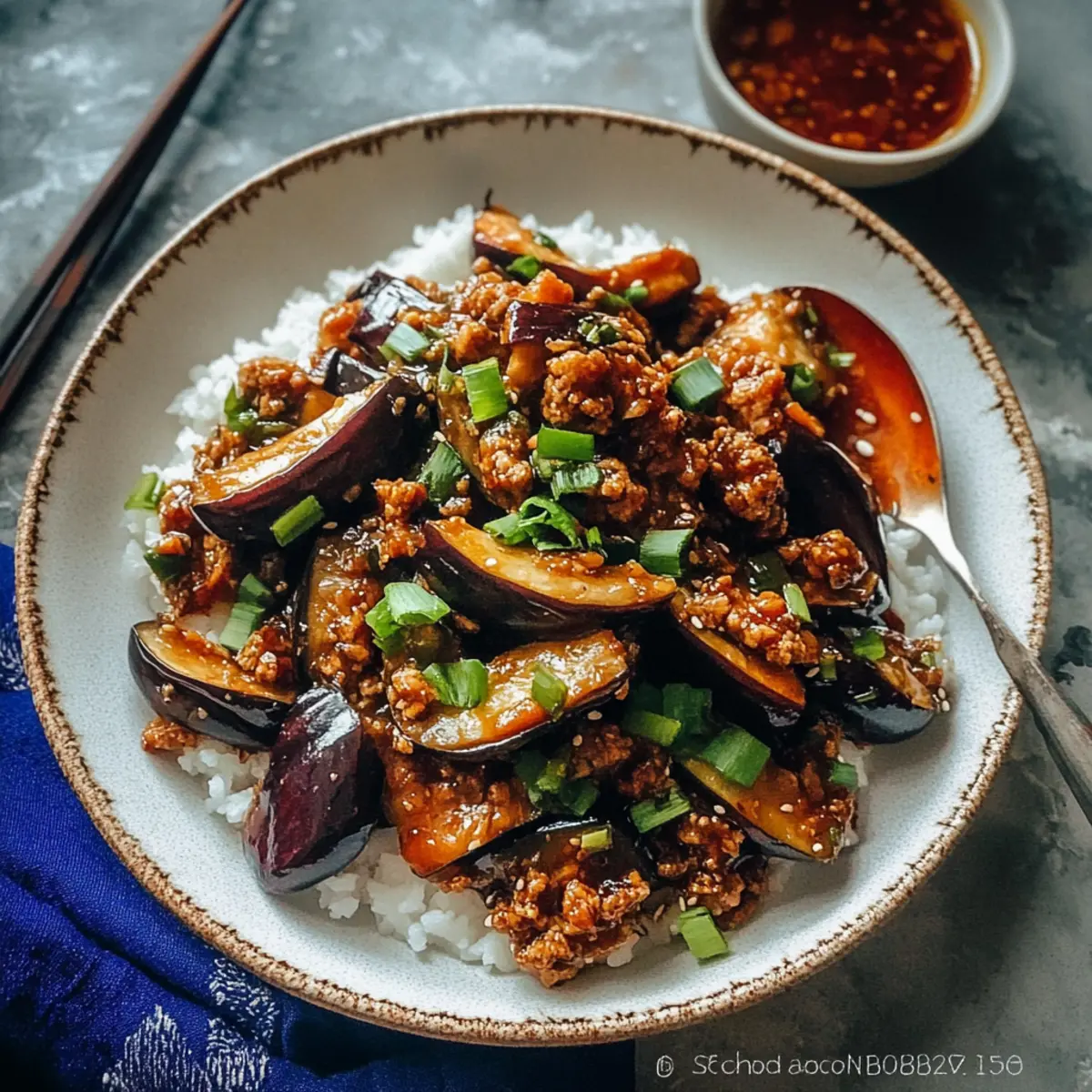
Expert Tips for Mapo Eggplant
-
Choose Quality Ingredients: Opt for fresh, quality Sichuan peppercorns and doubanjiang. They are key to achieving that authentic mapo flavor, enhancing the overall taste.
-
Proper Eggplant Cooking: Make sure the eggplant is cooked until tender and creamy, adjusting the cooking time based on size. Undercooked eggplant may turn chewy, detracting from its delightful texture.
-
Balance Flavors: The mapo eggplant is all about harmony; don’t hesitate to tweak the sugar or chili oil to your preference, ensuring a perfect balance between savory, sweet, and spicy.
-
Thickening Technique: When using cornstarch, whisk it thoroughly with water to avoid lumps. This ensures a silky sauce that clings perfectly to the eggplant, making every bite enjoyable.
-
Garnish for Impact: Use the green tops of the onions as a bright garnish. Not only do they add color, but they also provide a fresh taste that elevates the dish, making your mapo eggplant visually appealing.
-
Customize Your Dish: Feel free to swap out proteins or add additional vegetables. Consider a mix of mushrooms for a savory kick, which keeps this dish versatile while maintaining its delicious essence.
Make Ahead Options
These Spicy Vegan Mapo Eggplant instructions are perfect for busy cooks looking to save time during the week! You can prep the eggplant, garlic, and ginger up to 24 hours in advance; just chop and store them in airtight containers in the refrigerator to maintain their freshness. Additionally, the sauce can be made and refrigerated for up to 3 days. When you’re ready to serve, simply heat the peanut oil and Sichuan peppercorns, add the prepped chicken (or mushrooms), and follow the remaining steps to finish. This way, you’ll enjoy a delicious, comforting Mapo Eggplant dish with little effort on busy nights!
Mapo Eggplant: Delicious Variations Await
Feel free to make this recipe your own, exploring flavors and ingredients that tantalize your taste buds!
- Vegan Delight: Substitute ground chicken with 225g of chopped mushrooms or textured vegetable protein for a purely plant-based dish.
- Gluten-Free Option: Swap regular soy sauce for certified gluten-free tamari, allowing everyone to enjoy this flavorful delight without worry.
- Extra Crunch: Toss in diced bell peppers during cooking for added color, texture, and a subtle sweetness that perfectly complements the spicy sauce.
- Spice It Up: For those who crave heat, boost the chili oil or add fresh chopped chilies to elevate the spice level to your preference.
- Aromatic Herbs: Add aromatic basil or cilantro just before serving for a fresh burst of flavor that contrasts beautifully with the rich sauce.
- Creamy Touch: Stir in a tablespoon of peanut butter or tahini at the end for a creamy twist, enriching the sauce with extra depth and nutty goodness.
- Different Vegetables: Get creative with seasonal veggies like zucchini or snap peas, which can bring a delightful freshness to the blend of flavors.
- Personal Twist: Consider incorporating fermented black beans for an additional layer of savory complexity, taking your mapo eggplant to new heights.
As you explore these variations, remember that each change is a step towards crafting a mapo eggplant that resonates with your family’s unique palate. Enjoy the journey!
What to Serve with Spicy Vegan Mapo Eggplant
Let the flavors of this vibrant dish inspire a complete meal that celebrates warmth, spice, and delight.
-
Steamed Jasmine Rice: Tender and fluffy, jasmine rice serves as the perfect canvas to soak up the rich sauce, balancing the dish’s heat.
-
Garlicky Bok Choy: Sautéed bok choy offers a fresh, crunchy texture that complements the creamy eggplant, adding layers of flavor and nutrition.
-
Crispy Tofu Skewers: Lightly fried or grilled tofu adds firmness and a delightful contrast, making it a savory addition that enhances any vegan meal.
-
Chili Oil Cucumbers: Cool, crisp cucumbers tossed in chili oil provide an eye-catching and refreshing side that perfectly offsets the spicy warmth of the mapo eggplant.
-
Pickled Radishes: Tangy and crunchy pickled radishes bring bright acidity that cuts through the dish’s richness, awakening the palate for another bite.
-
Herbal Tea: A fragrant cup of jasmine or green tea rounds out the meal with subtle notes that cleanse the palate, enhancing your dining experience.
-
Sesame Noodles: Tossed in a light sesame dressing, these noodles offer a nutty richness that pairs beautifully with the spiciness of the mapo eggplant, creating a harmonious blend of flavors.
-
Mango Sticky Rice: For dessert, this sweet and creamy treat provides a luscious finish, leaving you and your guests thoroughly satisfied after a deliciously spicy meal.
Storage Tips for Mapo Eggplant
Fridge: Store leftover Mapo Eggplant in an airtight container for up to 3 days. Chilling preserves the flavors while keeping the dish tasty and fresh.
Freezer: For longer storage, freeze the dish in individual servings for up to 2 months. Make sure to use freezer-safe containers to prevent freezer burn.
Reheating: When ready to enjoy, thaw overnight in the fridge and reheat on the stovetop for best texture. You may add a splash of water to keep it saucy.
Airtight Storage: Ensure containers are airtight to maintain the dish’s rich flavors and prevent absorption of unwanted odors from your fridge.
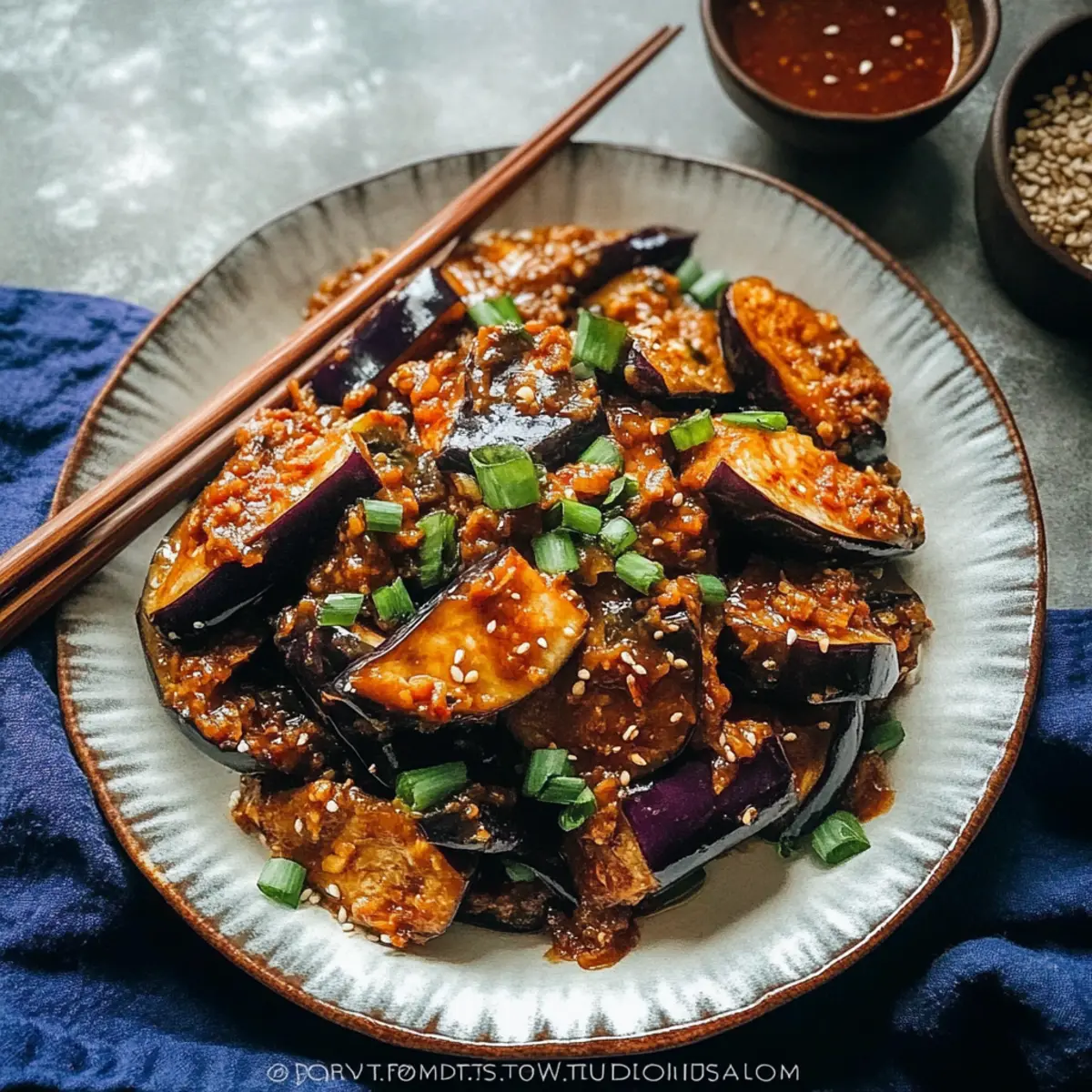
Mapo Eggplant Recipe FAQs
How do I choose the right eggplant for this recipe?
Absolutely! When selecting eggplants, look for Chinese eggplants that are firm, smooth, and have a shiny skin. Avoid any with dark spots or blemishes, as these can indicate overripeness. If you can’t find Chinese eggplants, you can substitute them with regular eggplants; just make sure they are fresh and not too large, as larger ones may be too seedy.
How should I store leftover Mapo Eggplant?
Leftovers can be stored in an airtight container in the refrigerator for up to 3 days. This method keeps the flavors intact while ensuring it stays fresh. When reheating, I recommend doing it on the stovetop rather than in the microwave; this helps maintain the dish’s texture and prevents it from becoming soggy.
Can I freeze Mapo Eggplant?
Yes, you can freeze Mapo Eggplant! I suggest portioning it into individual servings and storing it in freezer-safe containers. This way, you can enjoy it later without compromising quality. It will stay fresh for up to 2 months. To reheat, simply thaw overnight in the refrigerator and warm it up on the stovetop, adding a splash of water if necessary to keep the sauce vibrant.
What do I do if my sauce is too thin?
No worries! If your sauce is thinner than you’d like, simply create another slurry by mixing equal parts cornstarch and water (start with 1 tablespoon of each), and then stir it into the sauce while it’s still simmering. Allow it to cook for a couple of minutes until the sauce thickens up nicely. This step ensures you achieve that desired glossy texture that clings beautifully to the eggplant.
Is this recipe suitable for dietary restrictions, such as gluten intolerance?
Very much so! To make this recipe gluten-free, simply substitute regular soy sauce with tamari, which is gluten-free. Additionally, ensure that your doubanjiang does not contain any additives that may include gluten. This adaptation keeps the dish delicious while catering to specific dietary needs.
Can my pets eat Mapo Eggplant?
While eggplant is generally safe for dogs in small amounts, it’s best to avoid giving them any human food that contains spices, garlic, or onions, as these can be harmful. Always check with your veterinarian before introducing new foods to your pet’s diet.
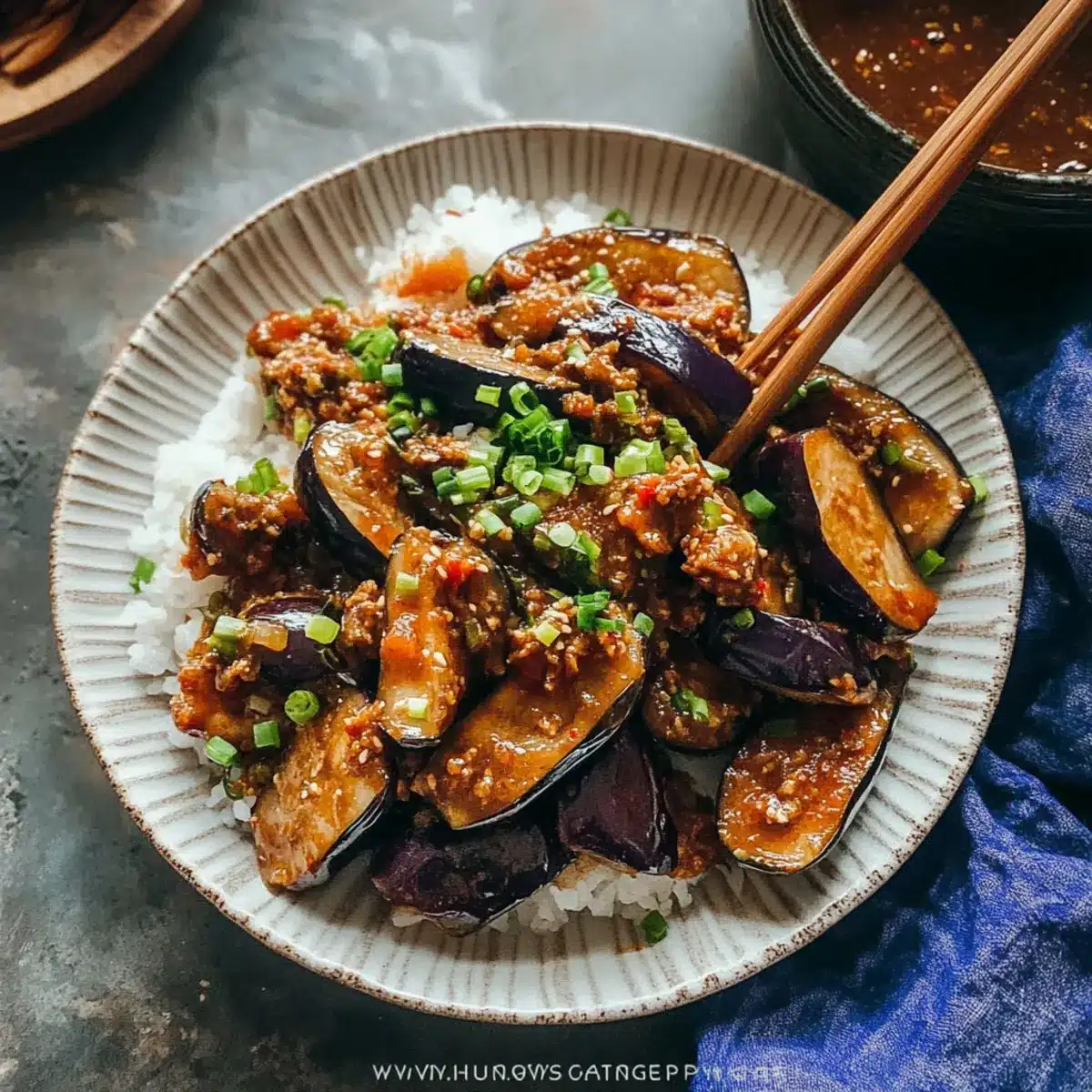
Mapo Eggplant: Spicy Vegan Comfort Food for Any Night
Ingredients
Equipment
Method
- Heat the oil in a large skillet over medium heat. Once hot, add Sichuan peppercorns, stirring until fragrant, about 5 minutes.
- Return the skillet to heat and add ground chicken (or chopped mushrooms). Stir in Doubanjiang, cooking for 1-2 minutes until the chicken begins to brown.
- Add sliced green onions, minced garlic, and ginger to the skillet. Sauté for around 2 minutes until fragrant and soft.
- Pour in Shaoxing wine, scraping the bottom to loosen browned bits. Allow it to simmer for about 1 minute.
- Gently fold in diced Chinese eggplants, chicken stock, chili oil, soy sauce, and sugar. Stir well, bringing mixtures to a boil. Cover and reduce heat to low, simmering for 7 minutes.
- Create a slurry by mixing cornstarch with water. Drizzle into the simmering dish, stirring until the sauce thickens.
- Transfer to a serving plate and garnish with reserved green onion tops. Serve hot with rice or noodles.
Leave a Reply