
A warm bowl of Korean seaweed soup is like a cozy hug on a chilly day. This delightful dish, known as miyeok guk, is not only a staple in many Korean households but also a treasured birthday tradition that honors mothers and promotes health. Packed with savory ground beef and the unique texture of rehydrated seaweed, this nutritious Korean Seaweed Soup is perfect for everyday meals or special celebrations. Quick to prepare, it brings comforting flavors to your table without the fuss, making it an instant crowd-pleaser. Plus, with its gluten-free profile, it’s a fantastic option for those mindful of dietary restrictions. Are you ready to discover how to create this nourishing dish in your own kitchen?
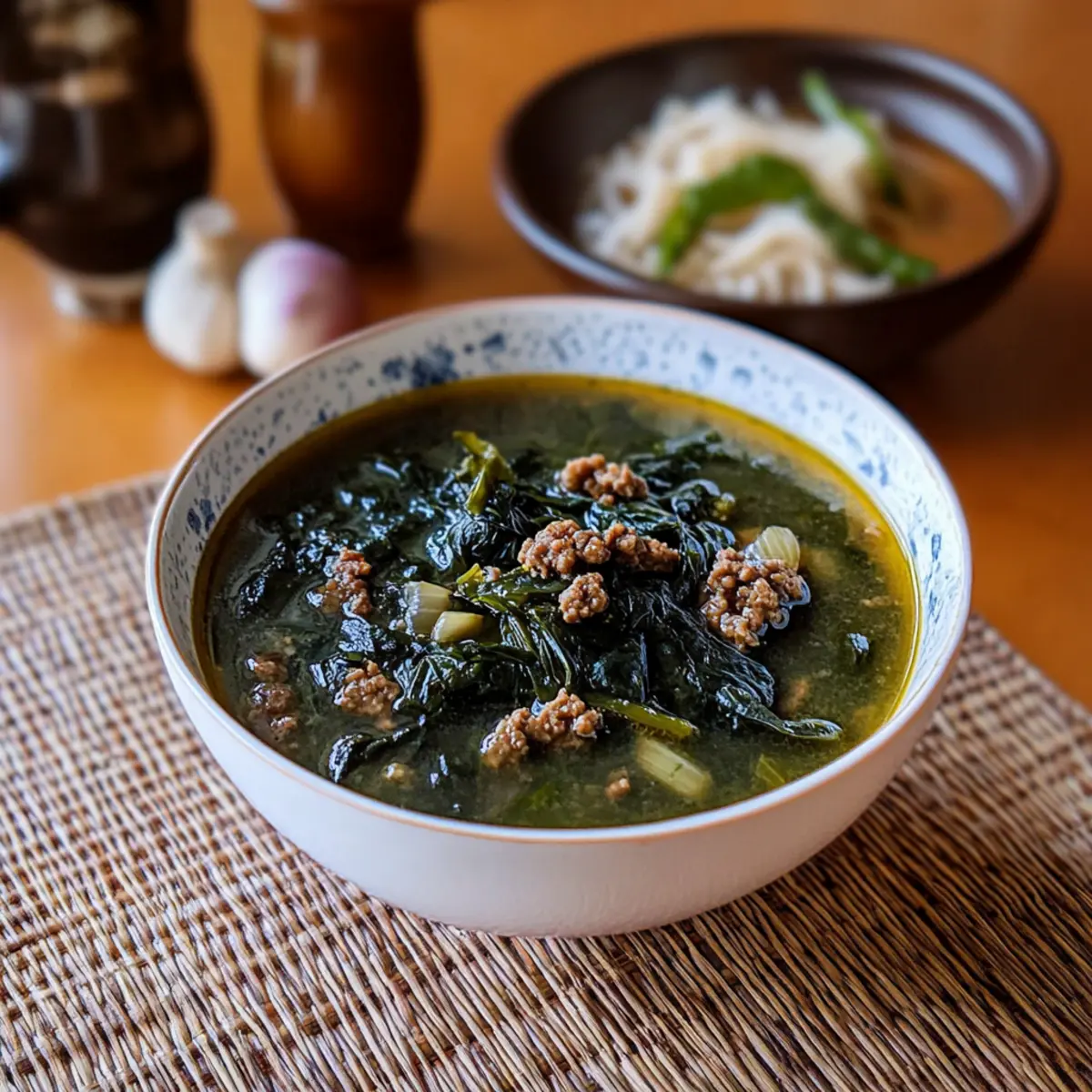
Why is This Korean Seaweed Soup Special?
Comfort in a Bowl: This nutritious Korean Seaweed Soup warms your soul and delights your taste buds with rich, savory flavors.
Quick and Easy: With minimal prep and cook time, you can whip this up during a busy week or for a cozy weekend gathering.
Versatile Ingredients: Whether you prefer beef, seafood, or a vegetarian twist, this recipe easily adapts to suit your cravings.
Cultural Heartfelt Tradition: Enjoy a dish steeped in history, often served to celebrate birthdays and foster health, reminding you of home.
Healthy Indulgence: Packed with protein and healthy fats, it offers both nourishment and satisfaction without the guilt. Additionally, serve it alongside Potato Cheese Soup for a delightful meal experience!
Korean Seaweed Soup Ingredients
For the Soup
- Dry Miyeok (Japanese Wakame) – This main ingredient rehydrates during cooking, providing unique texture and nutrition; substitute with fresh miyeok if available.
- Ground Beef – Adds protein and richness, making the soup hearty; you can use brisket or sirloin for a different flavor profile.
- Garlic – Enhances the flavor beautifully; freshly minced garlic yields the best results for depth.
- Soy Sauce – This ingredient provides essential umami and saltiness; feel free to substitute with fish sauce for a different taste.
- Toasted Sesame Oil – Adds a lovely depth of flavor and aroma; it’s a must for that perfect finishing toasty note.
- Water – The soup’s basic liquid base; consider using low-sodium broth for an extra flavor boost.
- Kosher Salt – Season to taste, but adjust based on the saltiness of the soy sauce used.
Embrace the tradition of Korean Seaweed Soup and elevate your culinary experience with these nourishing ingredients!
Step‑by‑Step Instructions for Korean Seaweed Soup
Step 1: Soak the Seaweed
Start by placing the dry miyeok (Japanese wakame) in a bowl of water, ensuring it’s fully submerged. Let it soak for about 10 minutes, during which the seaweed will expand and become tender. Once rehydrated, drain the seaweed and slice it into smaller pieces if desired for easier eating.
Step 2: Cook the Beef
In a medium saucepan, heat 1 tablespoon of toasted sesame oil over medium-high heat until it shimmers. Add the ground beef to the pan, breaking it apart with a wooden spoon. Cook for about 5-7 minutes, stirring frequently, until the beef is evenly browned and no longer pink, providing a rich foundation for your Korean Seaweed Soup.
Step 3: Add Aromatics
Once the beef is cooked, stir in 2-3 cloves of minced garlic along with 2 tablespoons of soy sauce. Continue sautéing for an additional minute, letting the garlic fragrant and slightly soften. This step enhances the flavor profile, creating a savory base that will elevate the taste of your soup.
Step 4: Incorporate Water and Seaweed
Pour in 6 cups of water or low-sodium broth into the saucepan, stirring to combine. Add the prepared rehydrated seaweed, and increase the heat until the mixture comes to a gentle boil. Once boiling, reduce the heat to maintain a high simmer, allowing the flavors to meld beautifully for the upcoming cooking time.
Step 5: Simmer for Flavor
Cover the saucepan and let the soup simmer for 20-30 minutes, stirring occasionally. The long simmering time allows the flavors of the ground beef and seaweed to infuse the broth, resulting in a warm and nourishing Korean Seaweed Soup. Taste and adjust the seasoning as needed with kosher salt.
Step 6: Serve the Soup
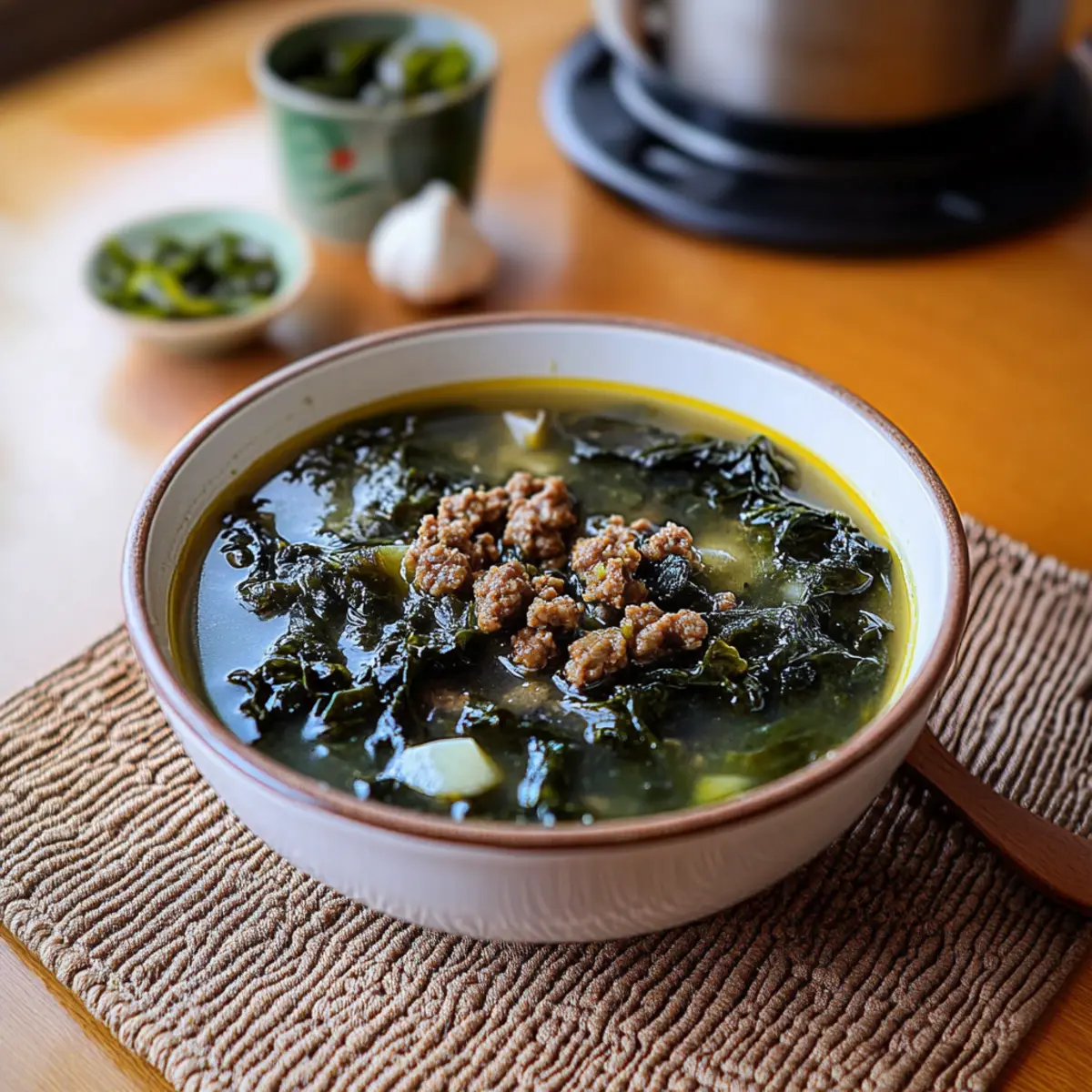
Once ready, ladle the Korean Seaweed Soup into warm bowls. Serve immediately alongside steamed rice and your favorite banchan to complete the meal. This nurturing dish is perfect for sharing on special occasions or enjoyed as a cozy comfort meal any day of the week.
Expert Tips for Korean Seaweed Soup
- Quality Seaweed Matters: Ensure you purchase high-quality dry miyeok to maximize flavor and nutrition. Look for labels that specifically mention “miyeok” to avoid confusion.
- Flavor Boost: For a richer umami experience, consider mixing ground beef with seafood or adding shiitake mushrooms to your Korean Seaweed Soup.
- Minced Garlic: Freshly minced garlic yields the best results for enhancing flavor; avoid using pre-minced varieties which can lack freshness.
- Adjusting Seasoning: Be mindful of the salt content in your soy sauce and adjust your kosher salt accordingly to prevent the soup from becoming overly salty.
- Storage Smartly: Store any leftovers in an airtight container after they cool—enjoy them within a week or freeze for up to a month for quick meals later.
- Serving Suggestions: Serve your Korean Seaweed Soup with steamed rice and banchan to create a complete, satisfying meal everyone will love.
Variations & Substitutions for Korean Seaweed Soup
Customize your Korean Seaweed Soup to suit your taste buds or dietary needs! The possibilities are vast, and each twist can bring a delightful surprise to your bowl.
- Beef Swap: Substitute ground beef with sliced brisket or sirloin for a different texture and flavor experience. Each option offers a unique bite that can elevate your soup.
- Seafood Twist: Add shrimp or crab meat for a seafood variation that brings a hint of the ocean to your broth. These additions create a luxurious flavor profile that feels special and indulgent.
- Vegetarian Version: Replace meat with tofu and add in your favorite vegetables, like carrots or zucchini, for a nourishing vegetarian alternative that stays true to the soup’s hearty essence.
- Mushroom Boost: Incorporate shiitake or button mushrooms to enhance the umami flavor, making the soup even more savory. The mushrooms add an earthy note that complements the seaweed beautifully.
- Garlic Increase: Love garlic? Mince an extra clove for a bolder flavor. The added intensity transforms your soup into an aromatic delight that aromatizes the kitchen as it cooks.
- Broth Upgrade: Use homemade chicken or vegetable broth instead of water to give the soup a deeper, richer flavor. This small change can dramatically elevate your dining experience.
- Spice It Up: For some heat, add crushed red pepper flakes or a splash of gochujang (Korean chili paste). These options introduce a tasty kick that can really liven up the dish.
- Pairing Suggestions: Serve with a side of Roasted Poblano Soup for a delightful meal pairing. This combo offers an array of flavors that will surely impress your guests!
Feel free to explore these variations or create your own as you indulge in your delicious homemade Korean Seaweed Soup!
What to Serve with Nutritious Korean Seaweed Soup
A delightful bowl of warmth is just the beginning; let’s build a wholesome meal experience around this delicious creation!
- Steamed Rice: This classic pairing offers a fluffy texture that soaks up the savory broth, making each bite even more satisfying.
- Banchan: Traditional Korean side dishes like kimchi or pickled vegetables add a vibrant contrast of flavors and textures, enhancing the whole dining experience.
- Savory Pancakes: Light and crispy, Korean pancakes made with scallions or seafood complement the soup beautifully with their crunch and depth of flavor.
- Fermented Soybean Paste: A touch of ssamjang on the side provides a spicy kick that perfectly balances the umami-richness of the soup.
- Fresh Green Salad: A refreshing salad of cucumber and sesame helps cleanse the palate with a crunchy and tangy touch, bringing vibrancy to your meal.
- Chilled Soju: Enjoy a glass of chilled soju to contrast the warmth of the soup; its crisp flavor elevates the dining experience to new heights.
- Fruit Dessert: End your meal with a light dessert, such as sliced fresh fruits, to cleanse the palate while providing a sweet note to the evening.
Embrace these pairings to turn your nourishing Korean seaweed soup into a feast that’ll have everyone coming back for seconds!
Storage Tips for Korean Seaweed Soup
Fridge: Store leftover Korean Seaweed Soup in an airtight container for up to 1 week. Allow it to cool completely before refrigerating to maintain freshness.
Freezer: For long-term storage, freeze the soup in individual portions for up to 1 month. Make sure to leave some space in the container as the soup will expand when frozen.
Reheating: To reheat, simply defrost in the fridge overnight, then warm on the stovetop over medium heat until heated through, stirring occasionally to retain its texture.
Airtight Storage: No matter how you store it, ensure containers are airtight to keep the flavors vibrant and prevent freezer burn.
Make Ahead Options
These Korean Seaweed Soup (Miyeok Guk) preparations are ideal for busy home cooks looking to save time during the week! You can soak and prepare the dried seaweed up to 24 hours in advance, just be sure to store it submerged in water in the fridge to maintain its freshness. Additionally, you can sauté the ground beef and garlic mixture, letting it cool before refrigerating for up to 3 days. When you’re ready to serve, simply combine the beef with the water, add the prepped seaweed, and simmer as directed. This way, you’ll enjoy a nourishing bowl of soup, just as delicious as freshly made, without the fuss during your hectic week!
Korean Seaweed Soup Recipe FAQs
How do I select the best dry miyeok (Japanese wakame)?
Absolutely! When choosing dry miyeok, look for packaging that clearly states “miyeok” to avoid confusion with other seaweeds. The quality of the seaweed is vital as it should be dark green, with a fresh aroma. Avoid anything that appears faded or has a musty smell.
How long can I store leftover Korean Seaweed Soup in the fridge?
You can store your delicious Korean Seaweed Soup in an airtight container for up to 1 week. Be sure to let the soup cool completely before sealing it to help preserve its freshness and flavor.
Can I freeze Korean Seaweed Soup, and if so, how?
Yes, you can freeze Korean Seaweed Soup! Portion it into airtight containers, leaving a little space at the top as the soup will expand when frozen. It’s best enjoyed within 1 month for optimal taste. To reheat, defrost overnight in the fridge and gently warm on the stovetop, stirring occasionally to maintain its creamy texture.
What should I do if my soup is too salty?
If you find your soup has turned out too salty, simply add more water or low-sodium broth to dilute the saltiness. You can also toss in a peeled potato, letting it simmer for 10-15 minutes to absorb excess salt. Just remember to remove the potato before serving, and be sure to adjust with additional seasonings as needed!
Is Korean Seaweed Soup safe for children and those with allergies?
Very much! This nutritious soup is generally safe for children, but as always, be cautious of allergy considerations. The recipe is naturally gluten-free if you use gluten-free soy sauce. If anyone has shellfish allergies, make sure to avoid using seafood variations and stick with the ground beef option.
Can I use fresh miyeok instead of dry for this soup?
Absolutely! If you have access to fresh miyeok, feel free to use it instead of the dry version. You would need to reduce the quantity since fresh seaweed is less concentrated. Typically, about 1 cup of fresh miyeok can replace roughly 1/4 cup of dried miyeok. Just skip the soaking step, and add it directly to the soup in the last few minutes of cooking for the best texture.

Delicious Korean Seaweed Soup: A Nourishing Homemade Delight
Ingredients
Equipment
Method
- Soak the dry miyeok in water for about 10 minutes until it fully expands and becomes tender. Drain and slice into smaller pieces if desired.
- Heat 1 tablespoon of toasted sesame oil in a medium saucepan over medium-high heat. Add the ground beef and cook for 5-7 minutes until browned.
- Stir in minced garlic and soy sauce, sauté for an additional minute.
- Add 6 cups of water or low-sodium broth and the rehydrated seaweed. Increase heat to boil, then reduce to a high simmer.
- Cover and let simmer for 20-30 minutes, stirring occasionally and adjusting seasoning with kosher salt as needed.
- Ladle into warm bowls and serve immediately with steamed rice and banchan.
Leave a Reply